Robots on the fireground, drones catching rekindles, and the free app every firefighter should have
This is The Overhaul Brief - a weekly digest for firefighters who actually pay attention to the tech that's changing the job. We cover AI, gear, strategy, and the stuff nobody else is writing about because they're too busy talking to chiefs.
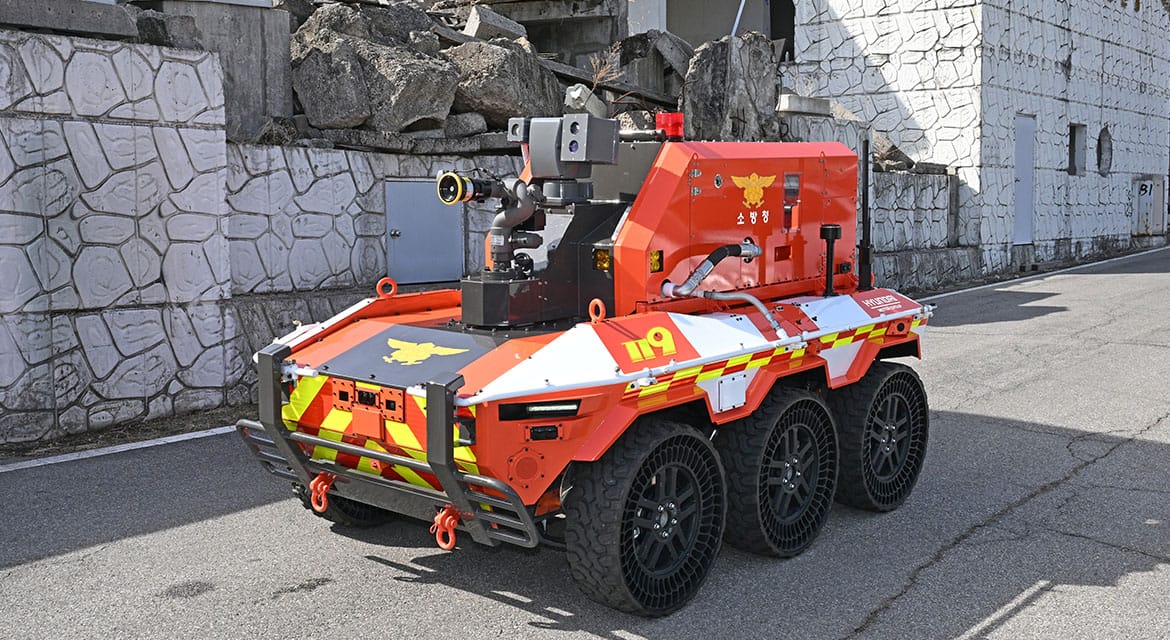
Robots are taking structural fires now
Hyundai donated four autonomous firefighting robots to Korean fire departments last week. Built on their HR-Sherpa platform, they carry water cannons, thermal cameras, and self-cooling systems rated for environments up to 800 degrees Celsius. They navigate themselves, make tactical decisions, and don't need a crew riding along.
South Korean firefighters have among the highest on-duty death rates in the developed world - a problem the Korean National Fire Agency has been trying to solve for years. These robots are one answer.
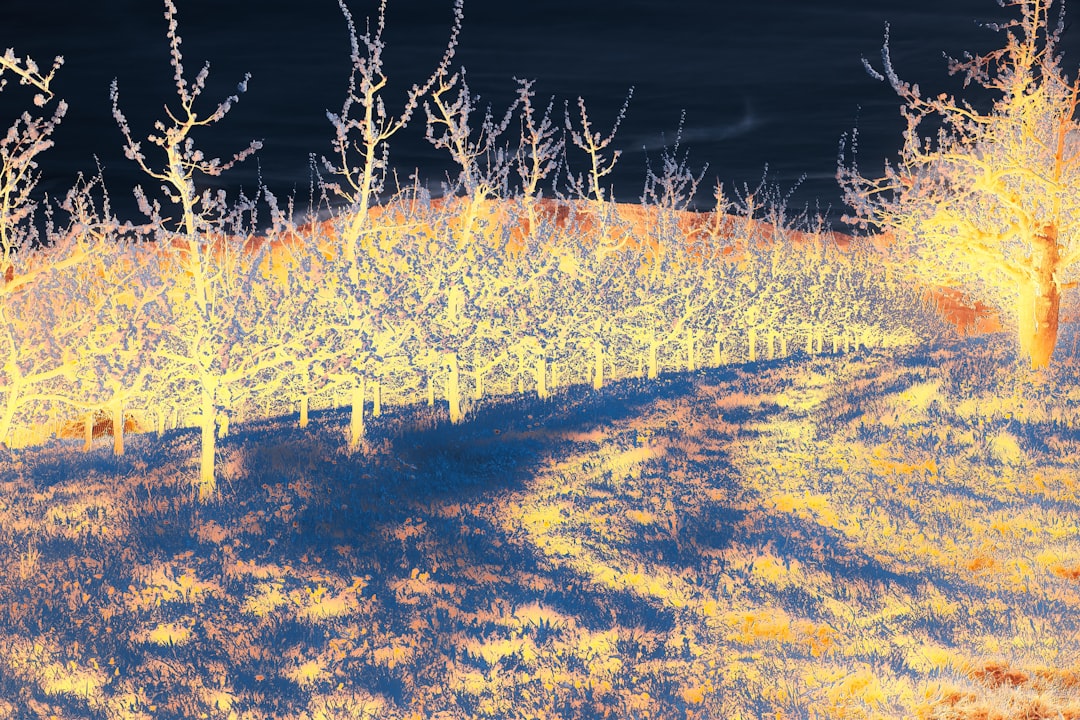
Thermal drones just stopped another wildfire before it started
After the Palisades Fire, LAFD ran drone-mounted thermal imaging over burn scars and found a smoldering 20x20 fire in a canyon that ground crews would have walked right past. They killed it before it reignited. It was the fourth time in three weeks that their AI-assisted thermal analysis caught rekindles that humans missed.
They've got 16 certified drone pilots now. Most of them got trained through grants and foundation donations. Sixteen people decided this mattered enough to add it to their plate.
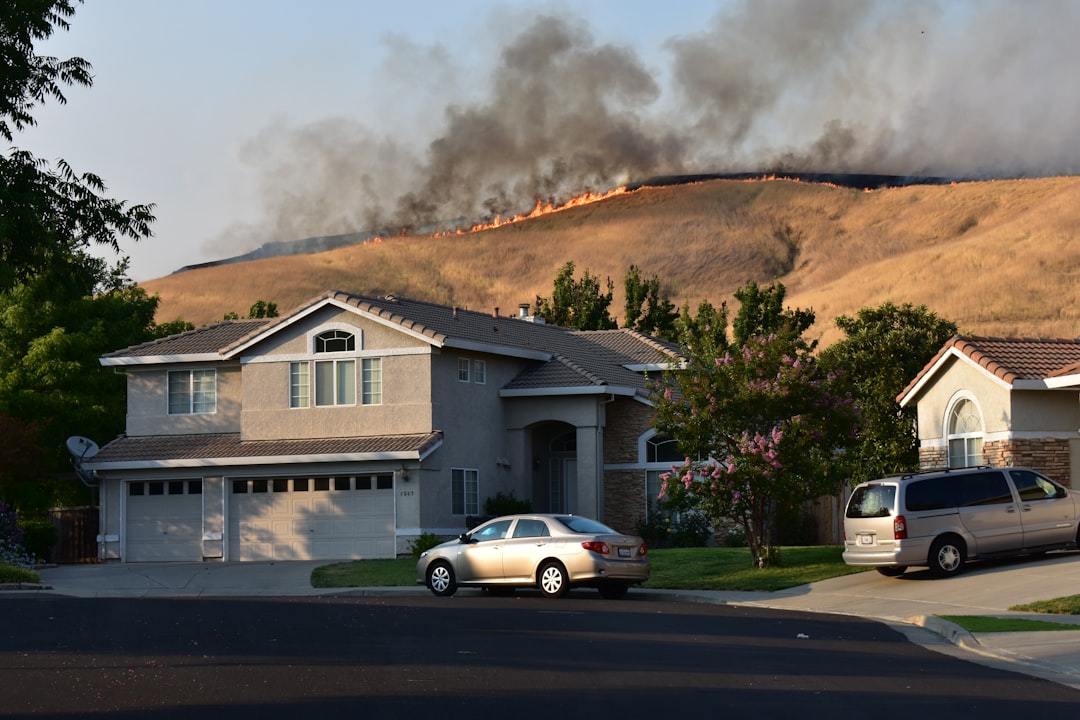
AI that predicts wildfires before they start
LSU's DeepFire system - led by Environmental Sciences Professor Supratik Mukhopadhyay - predicts wildfire locations at 4, 7, 15, 28, and 35-day intervals with more than 90 percent accuracy, confirmed across test fires in the US, Canada, and Australia. It integrates weather patterns, fuel loads, terrain, and historical burn data.
Out of more than 300 international teams, DeepFire advanced to the finals of XPRIZE's Space-Based Detection and Intelligence competition. The $11 million prize is still in play.
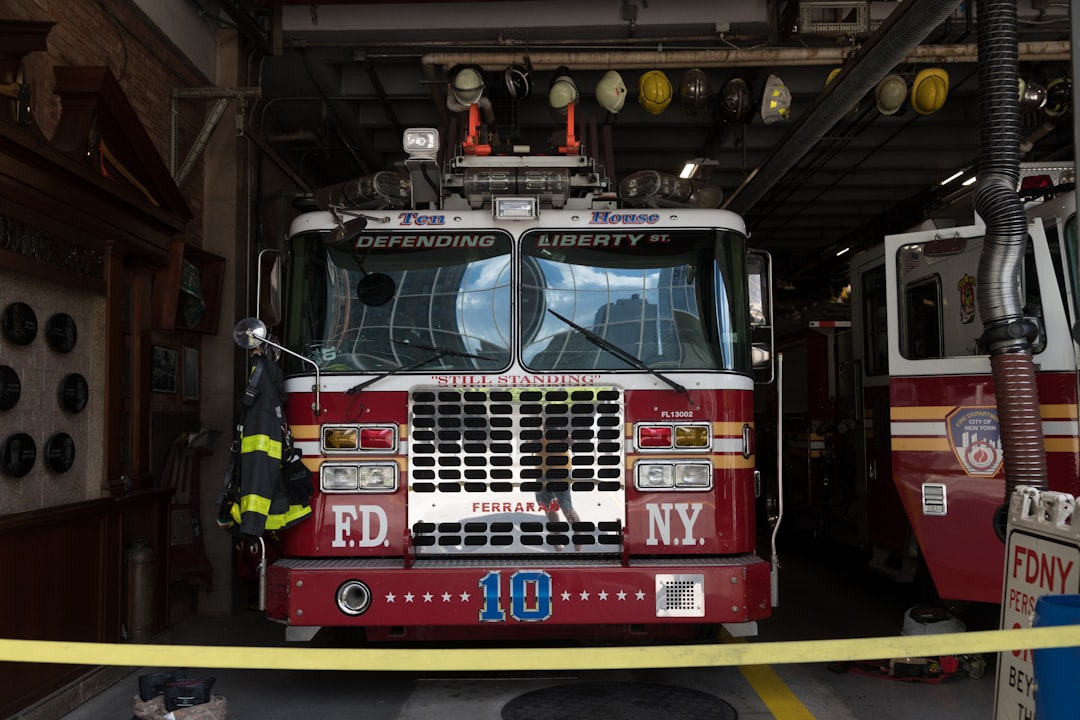
Your station alerting system is worth a second look
Danbury Fire Department in Connecticut replaced their traditional all-at-once station tones with a progressive alerting system - one that starts quiet, builds gradually, and uses a computerized voice to announce call details. It's integrated directly with their CAD system.
Captain Kevin Lunnie told Fire Engineering: "It's much easier on your nervous system." Danbury hasn't published hard numbers yet, but the physiological case is solid - abrupt high-decibel alarms are a documented stressor on cardiac function, and sudden cardiac events remain one of the leading causes of on-duty firefighter deaths. Hundreds of departments have started adopting similar systems.
Cops are automating reports. Fire's next.
Axon Enterprise released "Draft One" - an AI tool that listens to body camera audio during an incident and drafts a complete police report in seconds. Axon controls both the hardware and the software, which is a significant moat.
Fire departments don't have an equivalent yet. But the proof of concept is now undeniable.
iAmResponding
A free-to-individual-firefighter mobile app for real-time incident response. iamresponding.com See who's responding to a call, estimated arrival times, and unit status from your phone before you're even in the apparatus bay.
Volunteer and combination departments have used it for years. Career departments are starting to catch on. As a company officer, knowing your crew response picture before you hit the bay changes how you staff the rig.
What we're watching
- AI report writing for fire service - When Axon or a competitor releases a fire-specific version, adoption will move fast. Worth following.
- Drone as first responder programs - Fairfax County's sub-90-second drone first-arrival is becoming the benchmark. Your mutual aid partners may have this before your department does.
- Predictive wildfire analytics - DeepFire is not alone. NCAR and UC San Diego are running parallel models. Proactive resource positioning is coming.
Get the briefing every Tuesday
Join firefighters and fire service professionals staying ahead of the curve.