Federal grants frozen, Ohio builds the drone blueprint, and a wearable that tracks your cancer exposure
The federal government just shut down the two most important funding programs in the fire service. If your department was counting on AFG or SAFER money this cycle, you're in a holding pattern. If your volunteers were scheduled for training at the National Fire Academy, they're locked out. And most firefighters don't even know it happened yet.

DHS shutdown closes National Fire Academy, freezes AFG and SAFER grants
The partial DHS shutdown, ongoing since February 14 over an ICE funding dispute, has shuttered the U.S. Fire Administration and the National Fire Academy. The Assistance to Firefighters Grant (AFG) and SAFER grant application windows are frozen indefinitely. No timeline for reopening.
The National Volunteer Fire Council is urging firefighters to contact Congress directly via its Legislative Action Center.
Members: How to get funding NOW while federal grants are frozen, including alternative grant sources, state programs, and how to document your case for when AFG reopens. Full breakdown →

Ohio first in nation: statewide Drone-First-Responder program launches
Ohio just became the first state to launch a statewide Drone First Responder (DFR) program under House Bill 96, selecting nine agencies spanning urban, rural, and suburban communities. SkyfireAI is managing the program. Drones launch autonomously from permanent docking stations and stream real-time video before ground units arrive.
Selected agencies include Violet Township Fire/EMS, Austintown Fire Department, and Kelleys Island Fire/EMS. All units are NDAA-compliant.
Members: The Drone-First-Responder playbook, how Ohio built it and how your department can get in the next wave. Full breakdown →

NY volunteer firefighter staffing hits 40-year low, six departments shut down in 2025
Volunteer firefighter staffing in New York has dropped from 110,000 to 70,000 in recent years, a 40-year low. Six departments shut down entirely in 2025. FASNY's 2026 legislative agenda pushes for compensation programs, better benefits, and recruitment support.
State officials are calling it a public safety emergency that leaves rural firehouses unmanned.
Wearable sweat sensor to monitor firefighter PAH exposure and cortisol in real-time
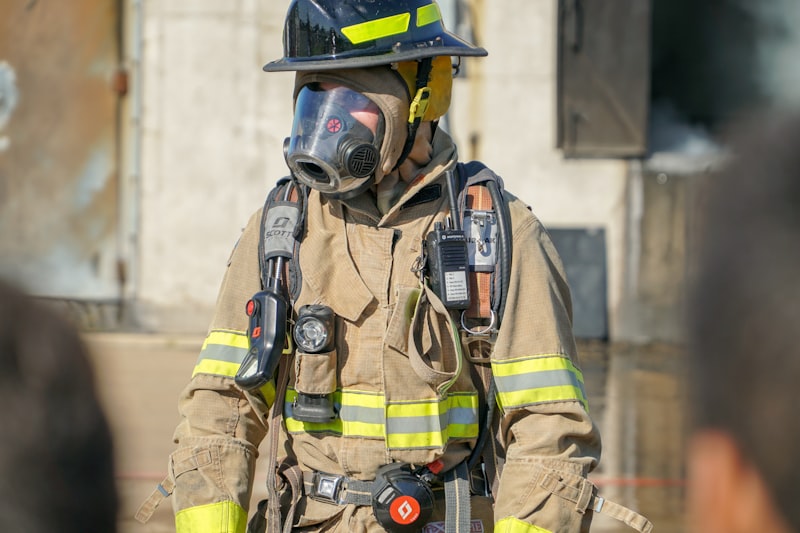
York University researcher Ebrahim Ghafar-Zadeh, in partnership with Markham Fire and Emergency Services, is developing a wearable monitoring device that measures polycyclic aromatic hydrocarbons (PAHs) and cortisol through firefighter sweat during and after calls. The device would be the first to provide real-time monitoring of cancer-linked chemical exposure.
Skin-worn patches collect sweat while an external sensor measures PAHs in ambient air.
Progressive station alerting reduces firefighter cardiac stress
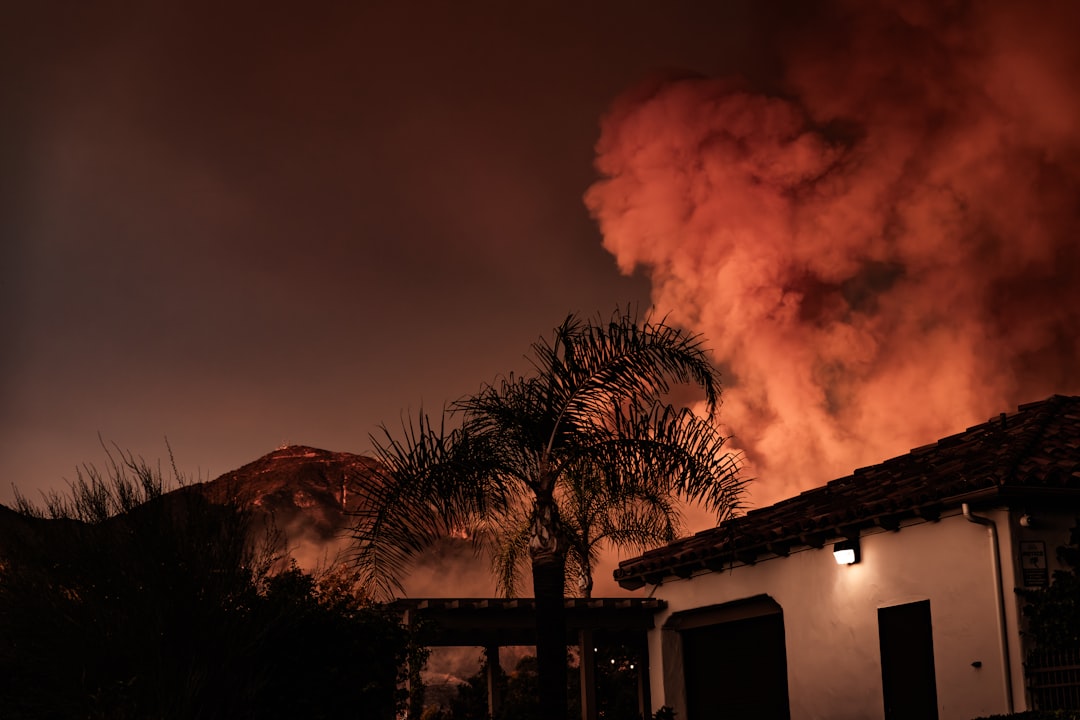
Danbury, CT Fire Department has deployed a progressive alerting system that starts at low volume and gradually increases, paired with a calm computerized voice announcement. Research shows ramp-up alarms produce lower heart rate spikes than traditional blasting tones.
NFPA issued new standards in 2025 requiring gradual-onset alarms. Heart disease remains the number one cause of firefighter line-of-duty deaths. Thousands of departments are adopting these systems.
London Fire Brigade: 84 million GBP mental health bill since 2021
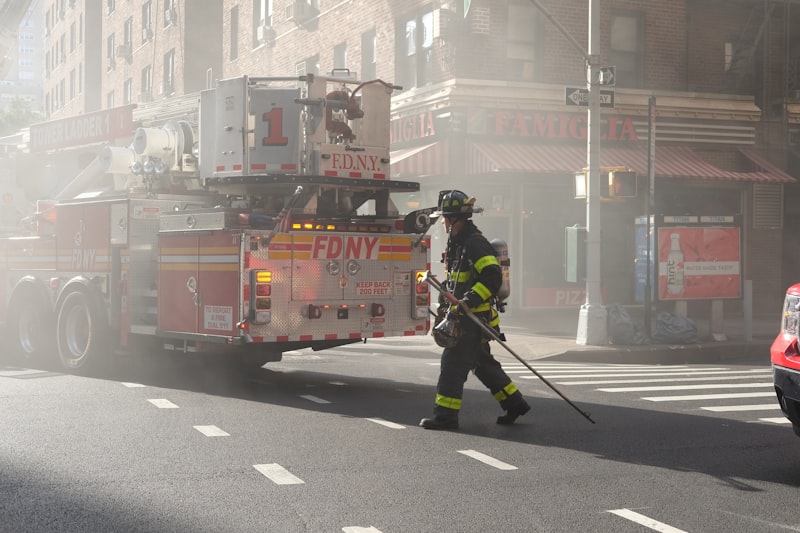
The London Fire Brigade has accumulated an estimated 84 million GBP in sickness absence costs linked to mental health since 2021, with stress, anxiety, and depression now the leading cause of long-term sick leave. The London Assembly Fire Committee demanded stronger early intervention, targeted data use for high-risk roles, and expanded peer-to-peer support.
75 percent of firefighters surveyed wanted more mental health training.
Members: Measuring the mental health cost, how to make the business case to your administration for a real wellness program. Full breakdown →
Responserack
Mobile-first fire department software that lets firefighters complete NERIS/NFIRS incident reports from their phones at the scene, with AI-assisted form completion that pre-populates data and flags missing required fields.
The shift from NFIRS to NERIS is happening NOW in 2026. Departments scrambling to transition face a paperwork nightmare. Responserack is specifically designed for volunteer departments where nobody wants to sit at a desk at 2 AM filling out forms. If your department hasn't sorted its NERIS transition yet, this is worth a look.
What we're watching
- Heavy-lift drones cleared for firefighting ops. Parallel Flight's Firefly quadcopter just received FAA 44807 exemption. 100-lb payload, hybrid electric-fuel propulsion, 10x endurance over battery drones. Fits in a pickup truck. Built for wildland firefighting and remote cargo delivery.
- AI at 911. Multiple counties (Onondaga NY, Oneida NY, Sumter FL, Utah statewide) are deploying Prepared's AI system for real-time 911 call transcription, location extraction, and language translation. AI is now working the phones at dispatch centers, and firefighters responding to those calls don't even know it yet.
- First Responder Wellness Week. March 23-27, 2026. Lexipol and FireRescue1 are hosting a national campaign. Worth syncing your department's wellness initiatives to the momentum.
Get the briefing every Tuesday
Join firefighters and fire service professionals staying ahead of the curve.
Sources
- DHS Shutdown: FireRescue1, International Fire and Safety Journal, IAFC Legislative Hot Sheet
- Ohio DFR: Scioto Valley Guardian
- NY Volunteer Crisis: 13WHAM, Finger Lakes 1
- York U Wearable Sensor: York University YFile
- Progressive Alerting: AP News, FireRescue1
- LFB Mental Health: International Fire and Safety Journal, London Assembly
- Responserack: responserack.com
- Firefly Drone: DroneDJ
- AI at 911: Central Current (Onondaga), Oneida County NY, Deseret News (Utah)