The Overhaul Brief
April 8, 2026
This week: Pierce cuts apparatus lead times by three months, AT&T commits $2 billion to FirstNet upgrades, NIOSH research confirms higher wash temperatures slash cancer-linked contaminants in turnout gear, and how Motorola's 14-year investment in fire service leadership is paying dividends. Plus a NFFF documentary on COVID's lasting impact and Providence puts AFG/SAFER grant dollars to work with new apparatus and 16 hires.
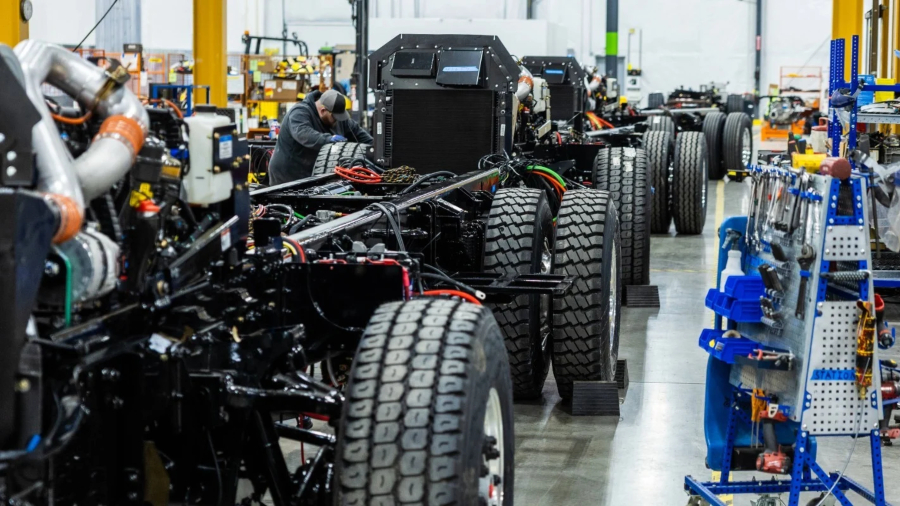
Pierce Manufacturing Launches High Flow Production Line, Cuts Apparatus Lead Times by Three Months
Pierce Manufacturing unveiled Phase I of its High Flow production line at its Appleton, Wisconsin campus, part of a broader $150 million modernization initiative across its facilities. The new line introduces balanced workloads, enhanced quality controls, and integrated technology to streamline custom fire apparatus chassis assembly. Pierce has already reduced lead times by more than three months from their peak, with further reductions expected as subsequent phases roll out through the second half of 2026.
The High Flow Line incorporates digital work instructions, advanced inspection technologies, ergonomic workstations, and improved tooling to support safe operations and production consistency. The modernization effort also includes expanded use of automation, robotics, fabrication technologies, and expanded paint capacity. Pierce has added over 500,000 square feet of facility space and hired approximately 800 new team members to support the transformation.
The take: For departments stuck in multi-year apparatus waitlists, this is real progress. Three months might not sound like much, but when you're running aging rigs past their service life, every quarter counts. Pierce is betting big on manufacturing tech to catch up with backlog without sacrificing the custom builds departments depend on. If they can sustain these improvements through Phase II, we might finally see apparatus delivery timelines return to pre-pandemic norms.
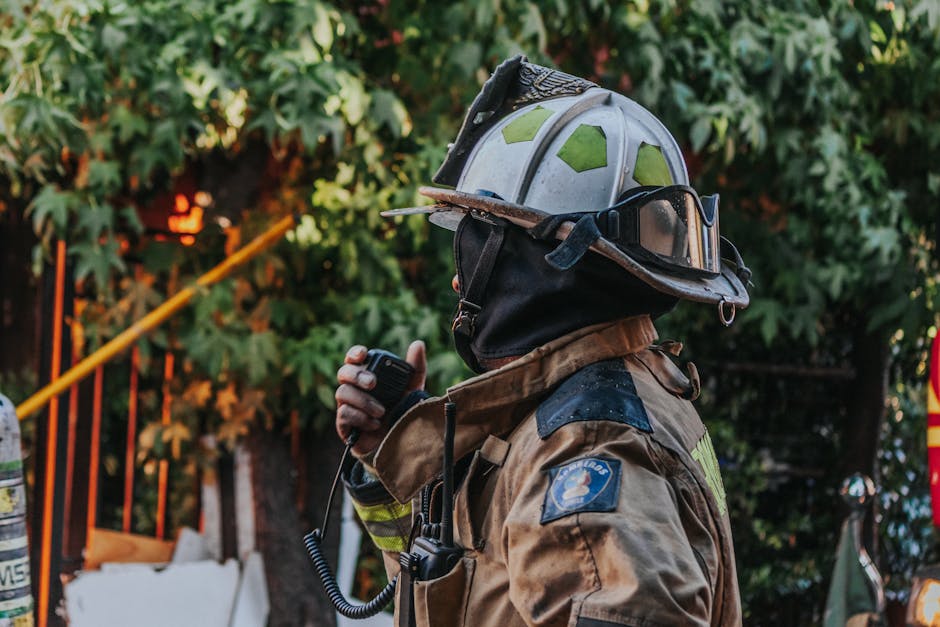
AT&T Commits $2 Billion to FirstNet Upgrade, Delivers Cost Savings for First Responder Network
AT&T reached an agreement with the Department of Commerce to invest approximately $1 billion in upgrades to FirstNet, the federal emergency cellular network serving 31,000 agencies nationwide, while delivering another $1 billion in cost savings through reduced rates. The 25-year contract, originally awarded in 2017 following 9/11 Commission recommendations, enables first responders including firefighters, medical personnel, and police to communicate vital information on a single dedicated network.
The agreement was made possible through a Trump administration executive order requiring federal agencies to review all contracts for cost savings opportunities. FirstNet's authority is set to expire in February 2027, but Congress is working on reauthorization legislation. The network serves as critical infrastructure for day-to-day emergencies and large-scale disasters, providing dedicated broadband communications when it matters most.
The take: FirstNet has been a game-changer for departments that adopted it, but network reliability and coverage gaps remain real concerns in rural areas. This $2 billion commitment signals federal recognition that first responder communications can't be an afterthought. The cost savings piece matters too, especially for smaller agencies watching every dollar. If AT&T follows through on both the investment and the rate reductions, this could expand FirstNet adoption among departments still sitting on the fence.
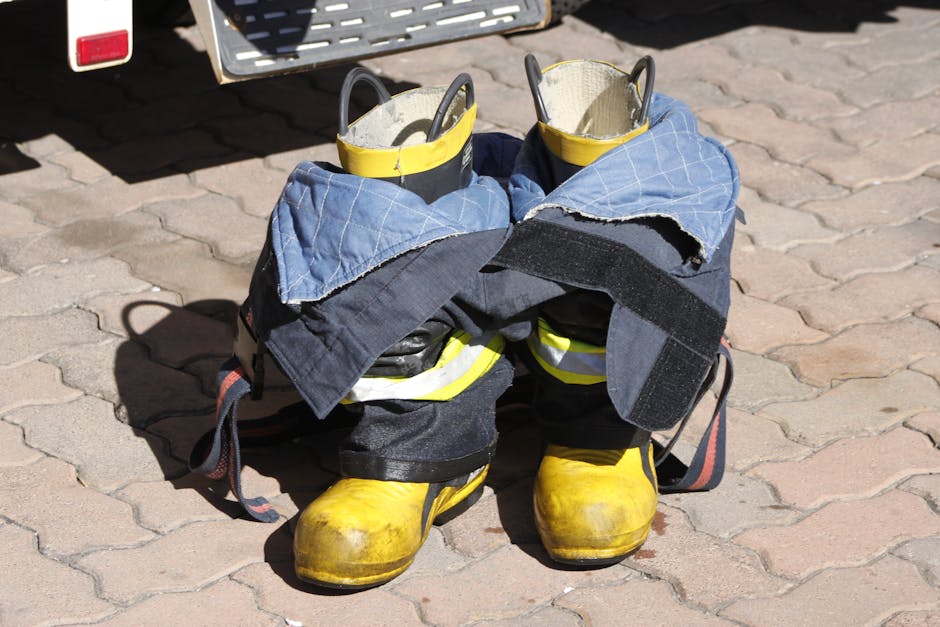
NIOSH Research Confirms Higher Wash Temperatures Slash Cancer-Linked Contaminants in Turnout Gear
A new NIOSH study published in March 2026 found that washing firefighter turnout gear at temperatures higher than the current NFPA-mandated 105°F significantly reduces concentrations of polycyclic aromatic hydrocarbons (PAHs) and other semi-volatile organic compounds linked to cancer. The research showed that combining higher temperatures with pre-soaking further reduced PAH levels trapped in gear materials. These contaminants don't wash out well with standard cleaning methods and can transfer to firefighters' skin or off-gas into the air, increasing exposure risks both on scene and back at the station.
NIOSH partnered with NFPA's Fire Protection Research Foundation, International Personnel Protection, and Gear Cleaning Solutions on the multi-phase "How Clean is Clean?" project. While NFPA currently prohibits higher wash temperatures due to concerns about degrading gear materials, the findings provide a foundation for further research and potential standards revisions. NIOSH continues work on the final phase, which will validate cleaning methods for helmets, boots, and other PPE components.
The take: This is the research firefighters have been waiting for. We've known for years that standard gear washing doesn't cut it when it comes to the nasty stuff we bring back from fires. The cancer link is real, and if hotter water can knock down PAH concentrations without destroying our gear, that's a conversation NFPA needs to have yesterday. The catch is gear durability, but we need options beyond "wash it and hope." Departments should be tracking this research closely and pushing for updated standards that actually protect us.
Stop chasing applicants.
Start attracting the right ones.
Your next great firefighter has already scrolled past your recruitment post. Departments using professional video see the difference — applicants who show up already sold on your culture.
We've spent 15+ years on the fireground and made the award-winning docs BURN and BURN X. We don't film departments. We tell the story that makes people want to join yours.
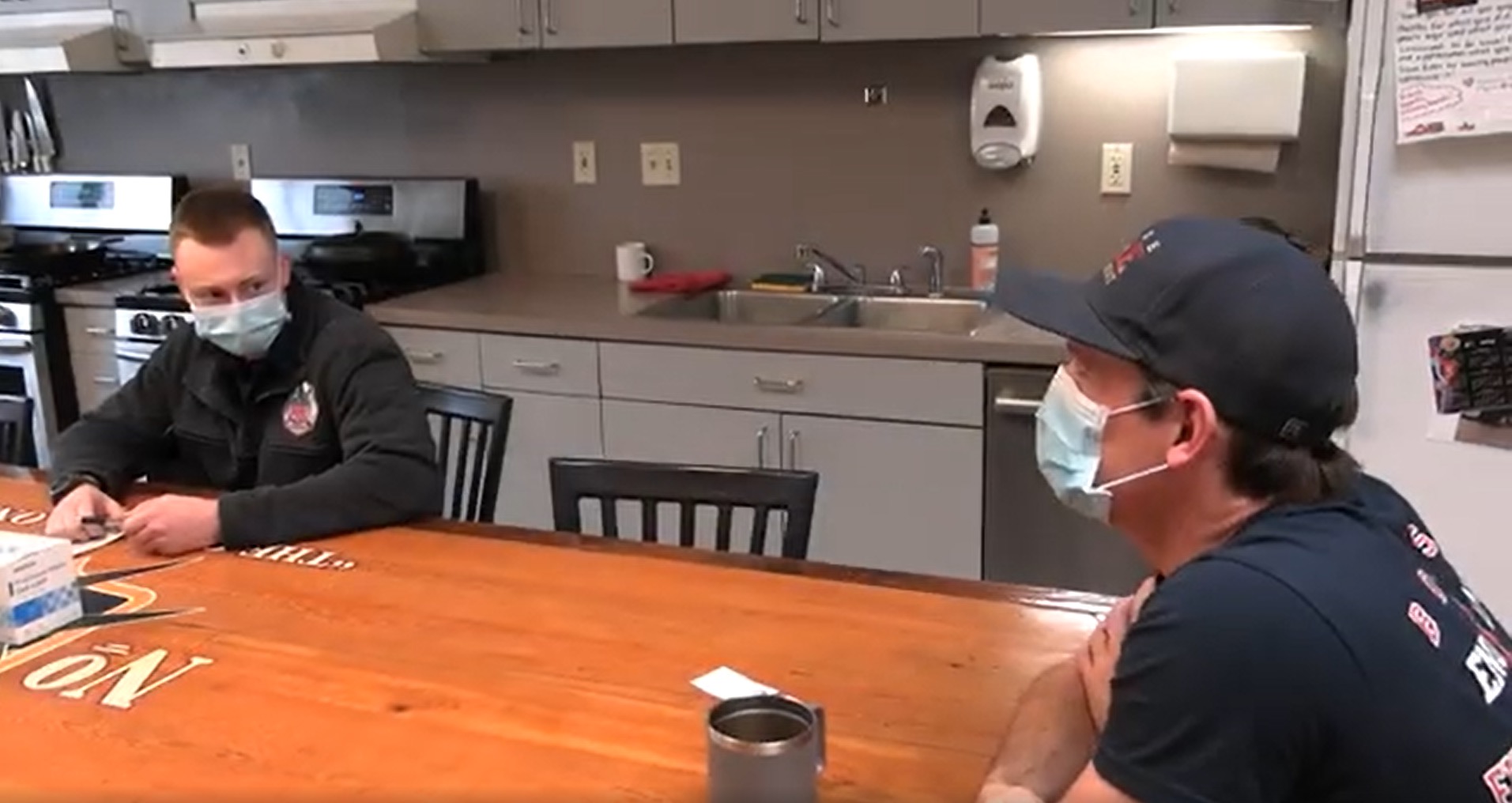
National Fallen Firefighters Foundation Releases Documentary on COVID's Lasting Impact on Fire Service
The National Fallen Firefighters Foundation released "COVID: Coast to Coast," a documentary examining the pandemic's profound impact on the fire service through firsthand accounts from firefighters in New York City, Boise, and West Barnstable, Massachusetts. Filmed through in-depth 2024 interviews, the documentary captures the uncertainty, fear, and rapid changes that defined the early pandemic days, including rapidly shifting public health guidance, protective equipment shortages, misinformation, daily loss, and the emotional toll on first responders and their families.
The film highlights how leaders adapted in real time without a clear roadmap, finding solutions amid chaos while managing the professional and personal challenges of responding during a global health crisis. The documentary emphasizes lessons learned about the importance of training personnel, investing in resources, and coming together during crises. "COVID: Coast to Coast" is produced by Cool Water LLC and supported by funding from the Department of Homeland Security, FEMA, and the Assistance to Firefighters Grant Program.
The take: This documentary matters because the fire service doesn't always take time to process trauma, especially when it's stretched over years like COVID was. These weren't single-incident critical stress moments; this was sustained operational pressure combined with the fear of bringing the virus home to our families. The fact that NFFF committed resources to capturing these stories means the lessons won't be lost when the next pandemic-scale crisis hits. Every department should screen this for their crews and use it as a springboard for honest conversations about preparedness and mental health.
Read the full story at National Fallen Firefighters Foundation →
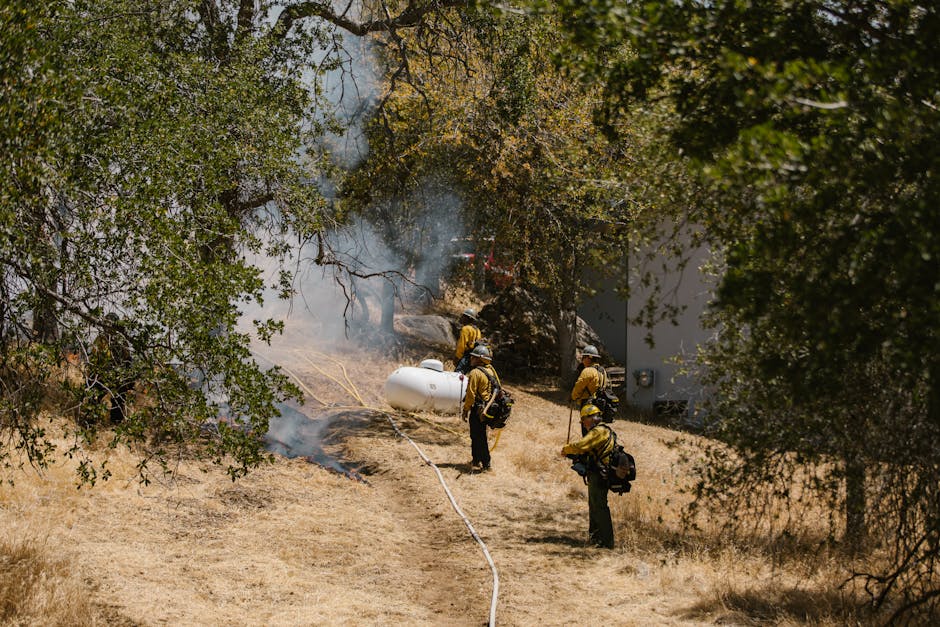
Motorola Solutions Foundation Celebrates 14 Years Investing in Fire Service Leadership Development
The Motorola Solutions Foundation marked over a decade of partnership with the International Association of Fire Chiefs and its Fire Service Executive Development Institute, investing in aspiring executive fire chiefs and equipping next-generation leaders with tools to navigate complex challenges. The Foundation's support enables fire leaders to seamlessly pivot from tactical fireground action to strategic command office leadership through intensive training programs.
The announcement honored the late Hawaii County Fire Chief Kazuo Todd, a 2022 FSEDI graduate who leveraged his training to secure an unprecedented $30 million funding increase over three years, fueling critical infrastructure upgrades including new helicopters and ambulances. Chief Todd also led response efforts during Hawaii's devastating 2023 wildfires and championed state-wide fire safety reforms before his sudden passing in early 2026. His legacy continues through the 2026 FSEDI cohort, representing the future of public safety leadership across North America.
The take: Leadership development programs like FSEDI create ripple effects that extend far beyond individual chiefs. Chief Todd's story proves the ROI: his training translated into $30 million for his department and reforms that will protect Hawaiian communities for decades. Too many departments promote the best firefighter to chief without investing in the strategic, financial, and political skills the job demands. Corporate partnerships like Motorola's make these programs accessible to chiefs who otherwise couldn't afford the time or money. If your department is grooming future leaders, FSEDI should be on your radar.
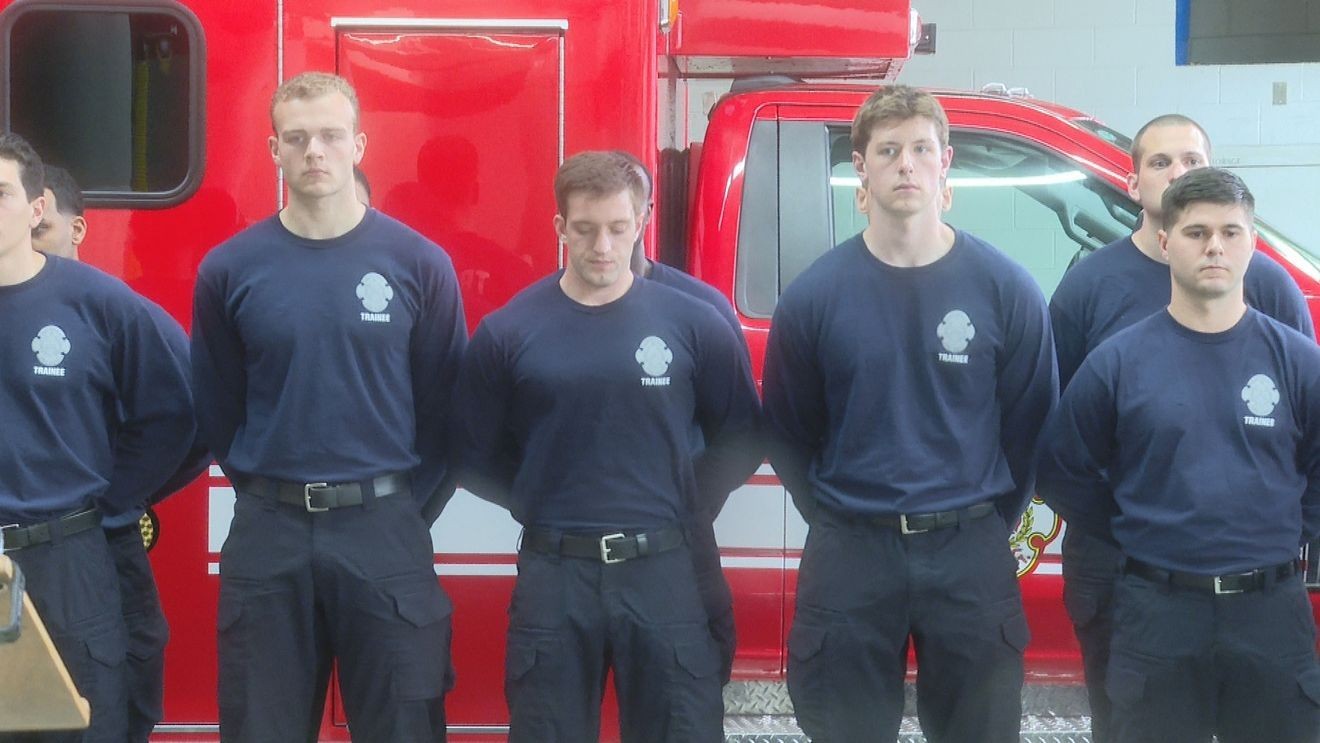
Providence Puts Federal Grant Dollars to Work: New Rescue Apparatus and 16 Firefighters Added to Frontline
The Providence Fire Department put federal Assistance to Firefighters Grant (AFG) and SAFER funding to immediate use, adding a new rescue apparatus to its frontline fleet and hiring 16 firefighters. Mayor Brett Smiley and Fire Chief Derek Silva announced the additions as critical investments in the city's emergency response capabilities, with the new rescue vehicle equipped with updated tools and technology for frontline operations.
The hiring of 16 federally funded firefighters strengthens staffing levels citywide, improving response times and firefighter safety. Providence credited its Congressional delegation for advocacy that helped secure the funding. The announcement comes as FEMA's Fire Act grant application window is set to open soon with a compressed timeline, requiring awards to be issued by September 30 - making it critical for departments to have applications ready to submit immediately.
The take: Providence is a textbook example of what AFG and SAFER dollars look like when they actually arrive: apparatus on the floor and bodies in the seats. If your department hasn't applied for FY2026 funding yet, the window is about to open with a fast turnaround. Get your grant writer moving now. The September 30 deadline means FEMA is working on a compressed schedule, and departments with applications ready to go on day one will have the advantage.
PulsePoint
A 911-connected app that alerts CPR-trained civilians when a sudden cardiac arrest occurs nearby. When a department's dispatch system registers a cardiac event, PulsePoint sends a push notification to verified users within walking distance, directing them to the patient and the nearest AED before the engine arrives.
For fire departments, PulsePoint extends your response network into the community. Every minute without CPR reduces survival odds by 10%. PulsePoint puts trained bystanders in motion within seconds of dispatch, buying your crews the time that saves lives. Over 4,800 communities and 200 million people are now covered.
Learn More About PulsePointWhat we're watching
- FDIC 2026 starts April 22. Indianapolis hosts the largest fire service conference in North America. If your department isn't sending anyone, look for livestreams and post-event session recordings.
- FirstNet reauthorization legislation pending. With the network's authority expiring in February 2027, Congress is working on long-term renewal to ensure dedicated first responder communications remain funded and operational.
- NFPA gear washing standards revision. With NIOSH research showing higher temperatures reduce cancer-linked contaminants, expect industry pressure for updated cleaning protocols that balance effectiveness with gear durability.
Get The Overhaul Brief in your inbox
Fire service tech, AI, and innovation. Delivered every Tuesday morning.