The Overhaul Brief
April 8, 2026
This week: PPE that blocks particulates without trapping heat, the summit reshaping how departments deploy drones, FEMA grants on a fast-track timeline, and what San Diego learned from three years of missing response time goals. Plus new gear certifications and helmets headed to the Caribbean.
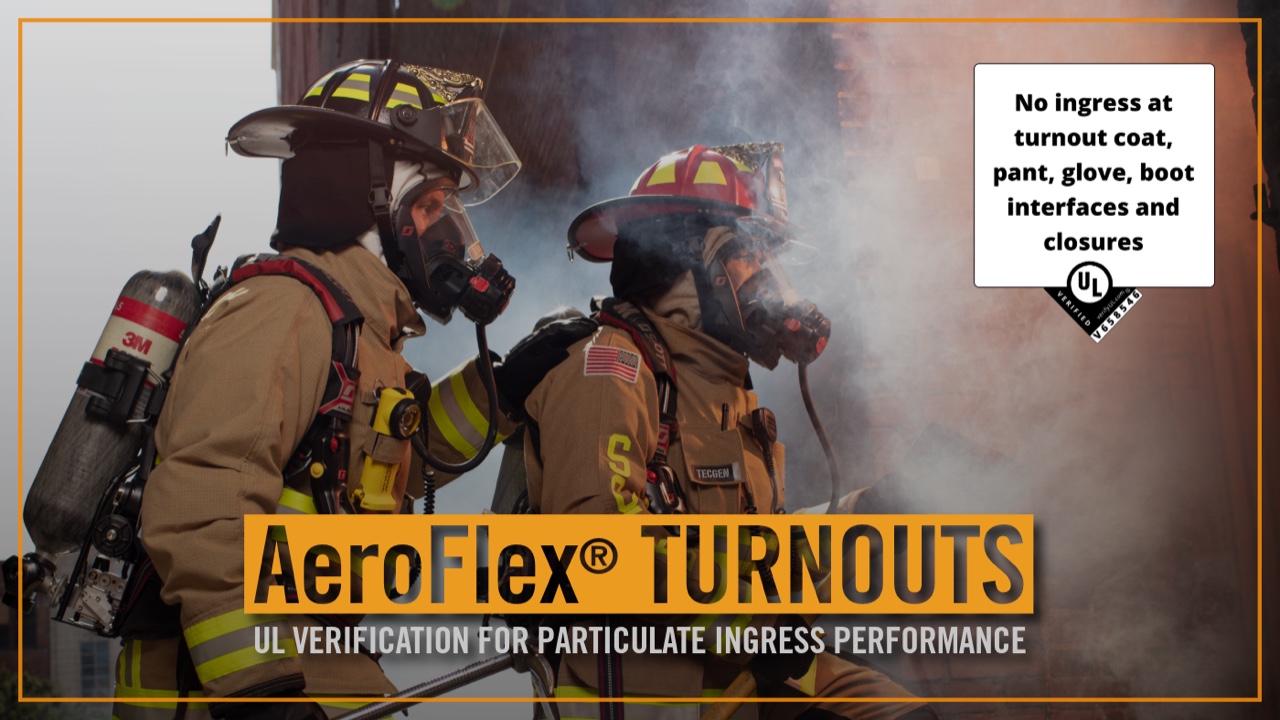
Fire-Dex AeroFlex Gear Achieves UL Verification for Particulate Protection
Fire-Dex's AeroFlex turnout system has received UL Verification 1641, confirming its effectiveness in preventing particulate ingress while maintaining breathability. The verification validates performance to NFPA's Particle Inward Leakage testing criteria when worn in a specific configuration.
The tested configuration included an AeroFlex coat with properly engaged SCBA and AeroFlex leggings with optional particulate-blocking barrier. Testing involved a firefighter in a controlled particle chamber for 20 minutes, with skin contamination measured after careful gear removal. Results showed less than one microgram of exposure across the ensemble.
The breakthrough addresses a persistent trade-off in turnout design: particulate barriers at pant/coat interfaces add protection but can limit breathability. AeroFlex uses zonal breathability with VaporLite permeable composite panels in high-sweat areas and AeroVent Technology that transports humid air outward while blocking particulates. The system allows departments to address both particulate protection and heat management in one ensemble without compromising operational mobility.
The take: This is what progress looks like in PPE - not choosing between protection and comfort, but engineering solutions that deliver both. Heat stress kills firefighters, and so do particulates. Finally, a system that takes both seriously.
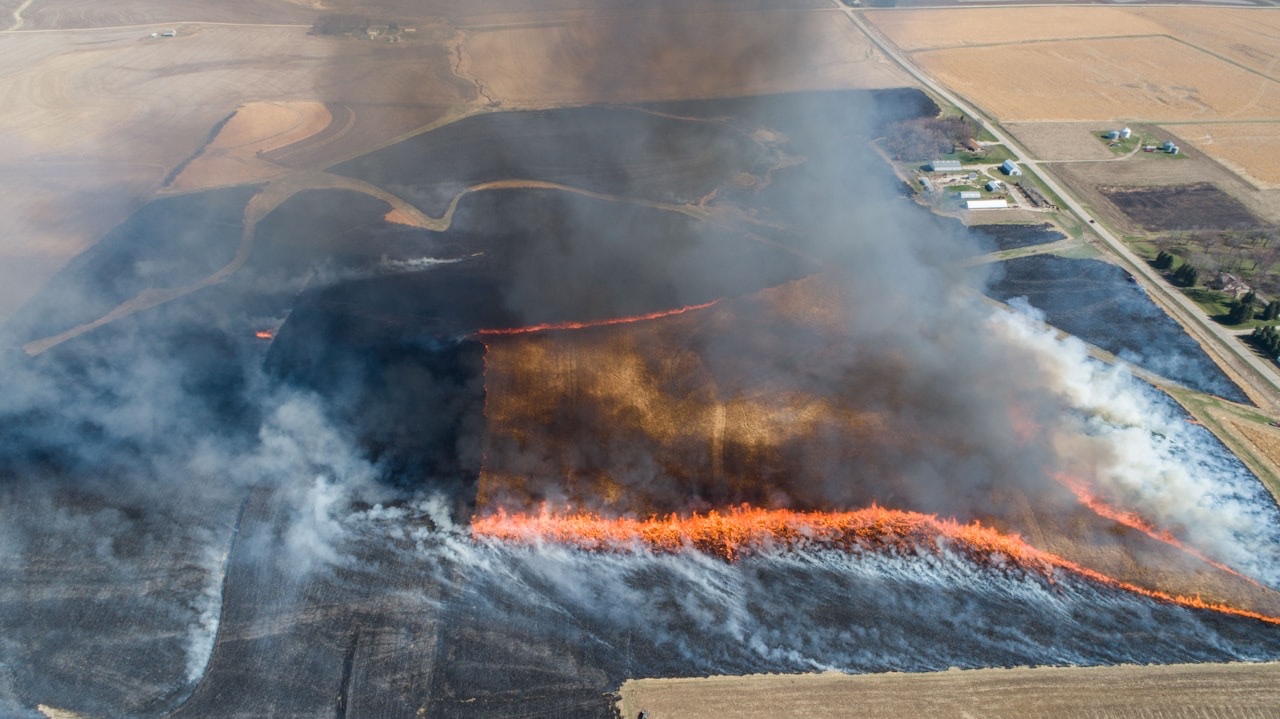
First DroneSense Innovation Summit Brings Public Safety Drone Leaders to Scottsdale
Versaterm is launching the inaugural DroneSense Innovation Summit in Scottsdale, Arizona, April 20-22, 2026. The event brings together command personnel, industry experts, and executive decision makers to discuss drones as force multipliers in contemporary public safety operations.
The timing reflects surging investment in drone programs. According to Versaterm's recent Public Safety Trends Survey, the majority of police chiefs plan to increase drone budgets over the next year. But rapid expansion creates new challenges: navigating regulations, program management, real-time operational integration, and ensuring drones deliver measurable improvements in community outcomes, officer safety, and response effectiveness.
The two-day summit will cover developing and maintaining multi-agency drone programs, Drone as First Responder (DFR) models, and real-time decision making. Programming includes executive workshops, case studies from actual deployments, live flight demonstrations, and focused sessions on DroneSense platform workflows from pilot-level operations to command center coordination. DroneSense holds more data on public safety drone flights than any other organization, giving attendees access to unique insights about efficacy, risks, and emerging challenges.
The take: Drones went from 'nice to have' to mission-critical faster than most departments could adapt. This summit recognizes that departments need operational frameworks, not just pilot training.
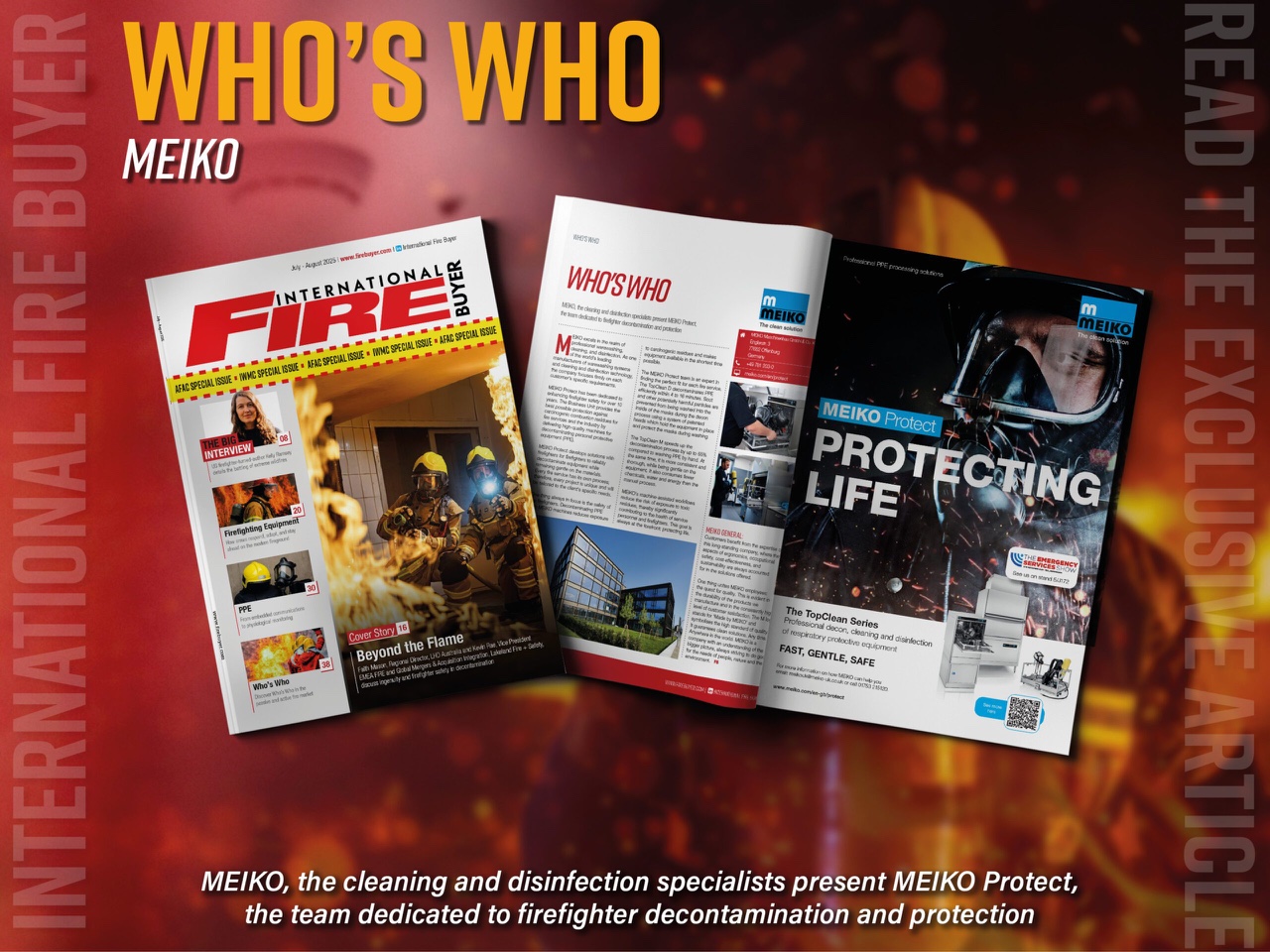
MEIKO Expands PPE Decontamination Push with New North America Sales Director
MEIKO USA appointed Bjorn Rowland as Director of Sales for MEIKO Protect USA, strengthening its commitment to PPE decontamination solutions for fire departments across North America. Rowland brings decades of international leadership experience, having held executive positions in the US, Canada, Switzerland, and Germany.
Rowland will oversee expansion of MEIKO Protect throughout the United States and Canada, helping fire departments implement effective PPE cleaning and decontamination protocols. His appointment reflects growing industry recognition that carcinogen exposure through contaminated gear remains a critical threat. MEIKO's decontamination washers provide specialized cleaning that removes carcinogens from PPE after exposure, addressing a gap that standard cleaning methods cannot fill.
Rowland emphasized that awareness remains the primary challenge facing the sector. "The importance of properly cleaning PPE after exposure to carcinogens is still not fully understood across the industry," he stated. "Investing in a decontamination washer should not be viewed as optional - it should be considered essential anywhere individuals are exposed to harmful contaminants." The appointment signals MEIKO's continued investment in firefighter safety and cancer prevention initiatives through specialized cleaning and disinfection solutions.
The take: Hire signals matter. When a company brings in a senior leader dedicated solely to decontamination, they're betting departments will finally treat carcinogen exposure like the existential threat it is. They're probably right.
Stop chasing applicants.
Start attracting the right ones.
Your next great firefighter has already scrolled past your recruitment post. Departments using professional video see the difference — applicants who show up already sold on your culture.
We've spent 15+ years on the fireground and made the award-winning docs BURN and BURN X. We don't film departments. We tell the story that makes people want to join yours.
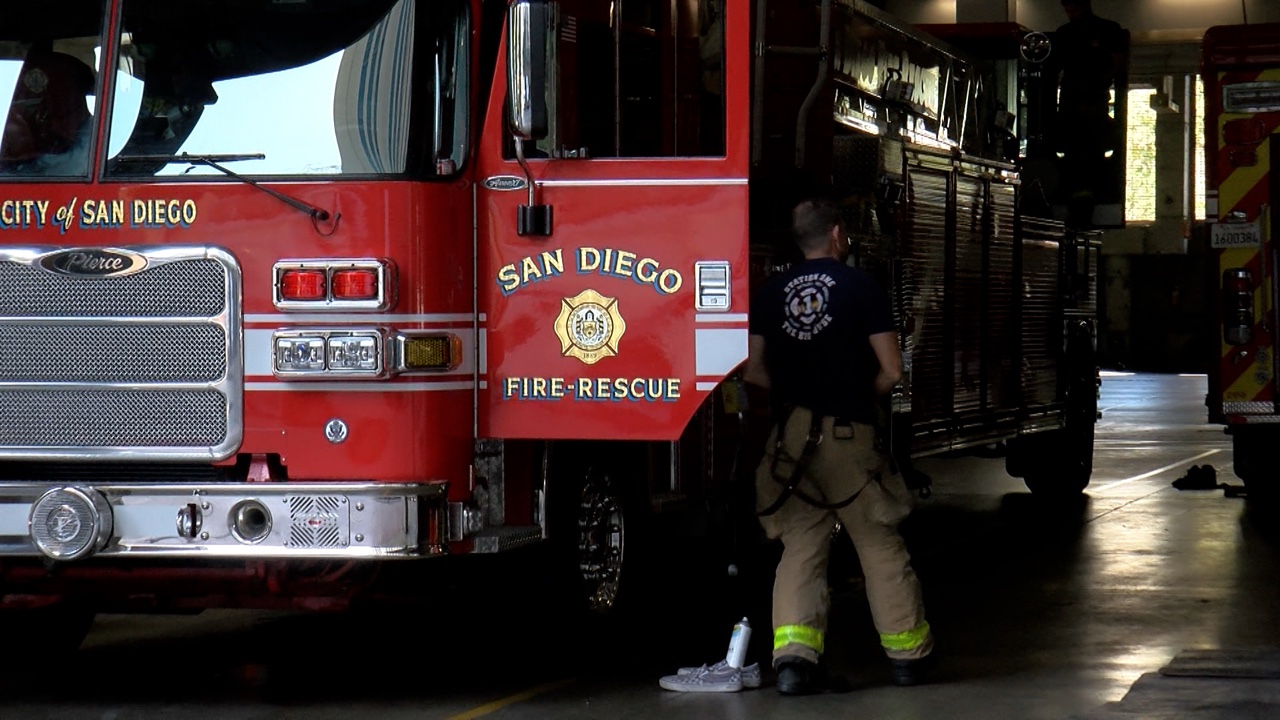
San Diego Dispatch Protocol Change Linked to Three Years of Response Time Failures
A city audit reveals San Diego firefighters failed to meet emergency response time goals for three consecutive years, partly due to a 2019 dispatch protocol change implemented without City Council review. The protocol delays when firefighters begin preparing for dispatch, extending response times despite intentions to reduce unnecessary runs and equipment wear.
From 2012 to 2018, fire crews began preparing for dispatch almost immediately after emergency calls. In 2019, officials shifted to a triage system where crews wait until calls are categorized as Level 1 (life-threatening). The change aimed to prevent unnecessary responses, but the 60-page audit found firefighters now exceed the 6-minute-30-second arrival goal across all nine council districts. Average turnout time climbed to 4 minutes and 20 seconds, well above the national standard of 1 minute and city standard of 1.5-2 minutes.
The audit notes that every minute of delay reduces survival chances for critical medical incidents, with some studies showing a 10% reduction per minute. Fire officials defended the triage system while acknowledging a 20% surge in 911 calls without corresponding increases in staff or stations. Chief Robert Logan agreed to implement all audit recommendations within one year, including comprehensive turnout time studies and regular performance reporting to City Council.
The take: Process changes without data collection are experiments, not improvements. San Diego's lesson: measure what matters before you change it, and keep measuring after.
FEMA Grant Window Opens Soon with Fast-Track Award Timeline
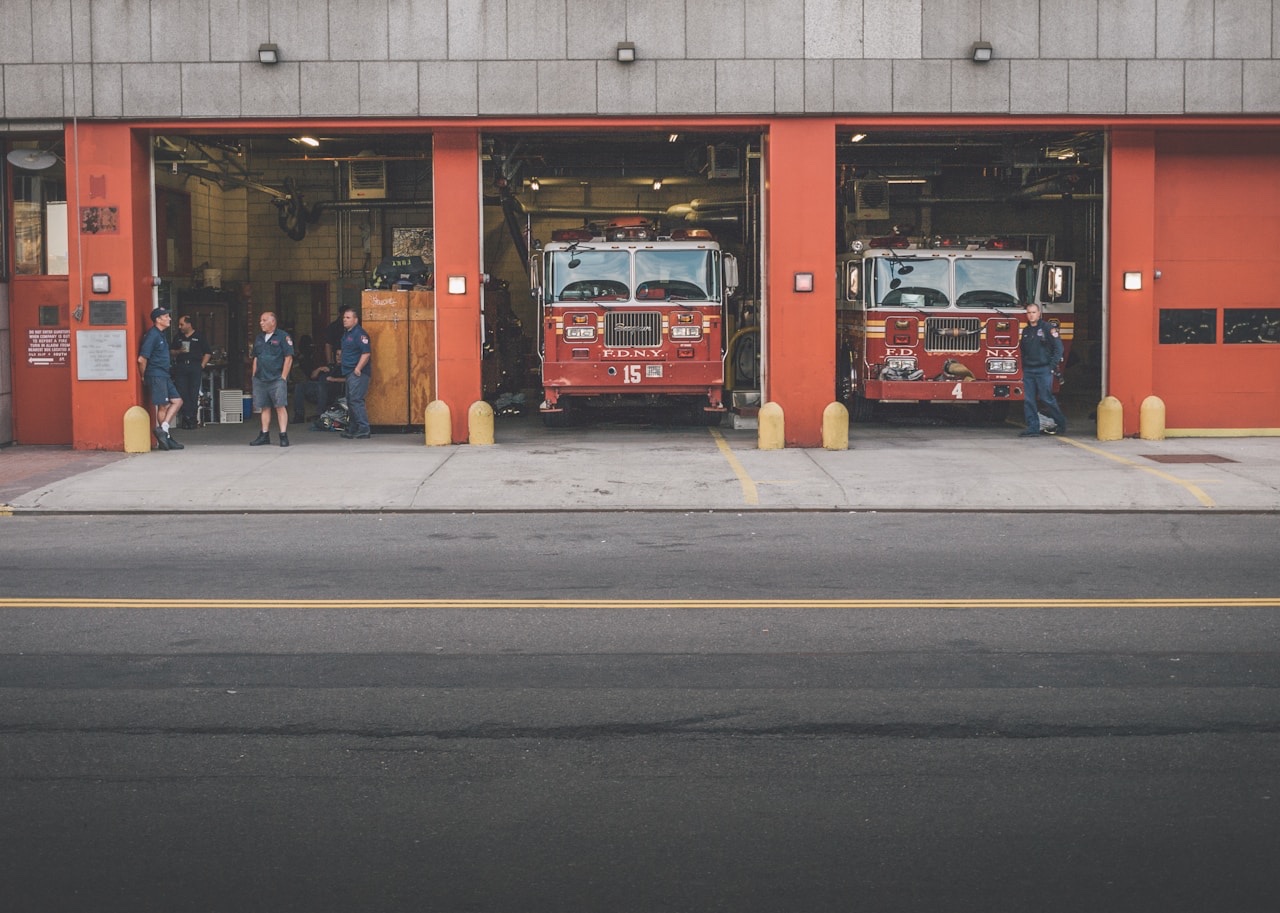
Emergency responders are urged to prepare grant applications now as FEMA's Fire Act grant program prepares to reopen with an accelerated timeline. Following the recent government shutdown, officials will face pressure to issue awards by the September 30 deadline, creating a compressed application and review period.
Cathie Patterson, who oversaw FEMA's fire service and Emergency Operations Center grant programs before retiring, warned that grant websites and information may take time to come back online when FEMA reopens. Officials will be managing a backlog, as some awardees from previous cycles have not yet received funding. The AFG window may open first due to larger award amounts, though timing remains uncertain.
Patterson emphasized critical preparation steps: thoroughly review all applications before submission, verify registrations haven't expired (FEMA cannot legally contact applicants about expired registrations, and fixes take weeks), and be selective when hiring grant writers. She stressed that departments remain legally responsible for any misinformation submitted by contracted writers. Beyond AFG, Patterson and Lance Harbour highlighted underutilized FEMA pass-through programs including Emergency Management Performance Grants, State Homeland Security Programs, Urban Area Security Initiative, and USDA Volunteer Fire Assistance programs that can fund fire, EMS, and response agency enhancements.
The take: The window will be short and the competition fierce. Departments that aren't drafting applications right now are already behind. When FEMA opens, you need to be ready to submit.
Rosenbauer Donates 99 HEROS Helmets to Jamaica Fire Brigade After Hurricane
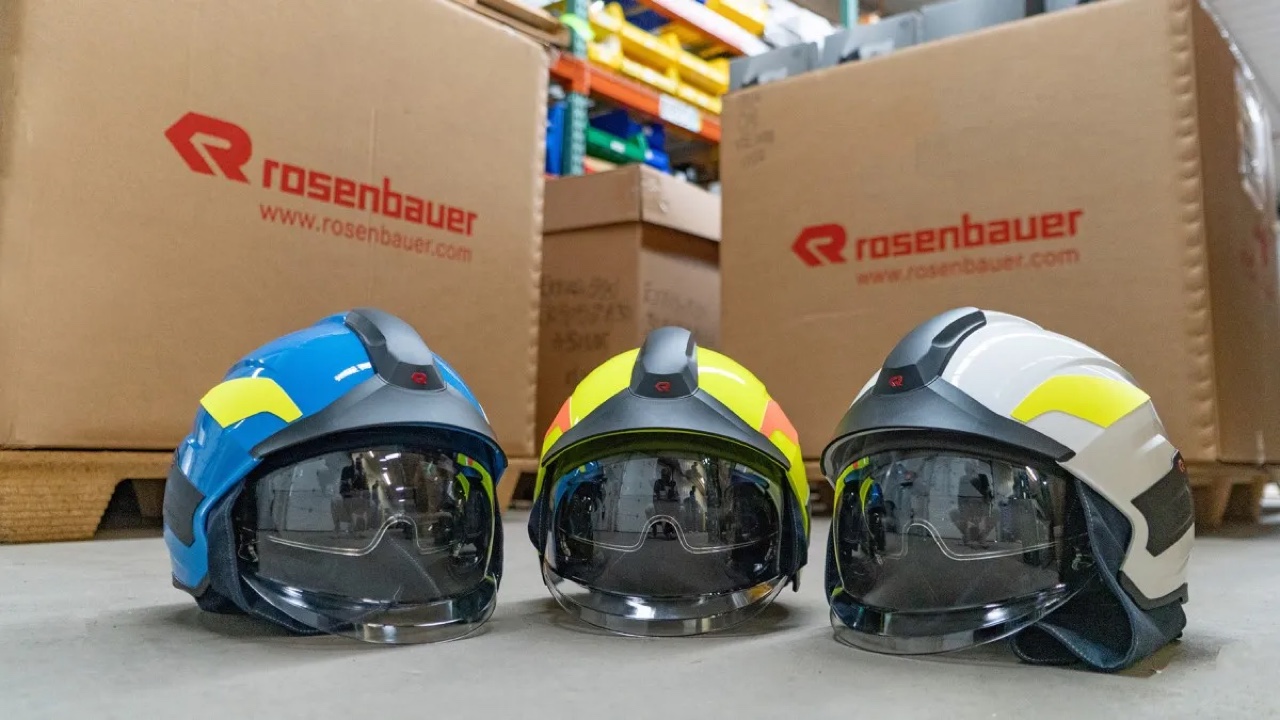
Rosenbauer America donated 99 HEROS Titan Pro firefighting helmets to the Jamaica Fire Brigade in response to Hurricane Melissa's devastation. The donation enhances frontline safety for Jamaican firefighters facing increased emergency response demands following the storm.
The HEROS Titan Pro represents advanced helmet technology designed for structural firefighting, offering impact protection, thermal resistance, and integrated communication capabilities. The donation reflects growing recognition that Caribbean and island nations face unique firefighting challenges combining tropical weather, limited resources, and infrastructure vulnerable to hurricanes and storm damage.
The timing proves critical as Jamaica's fire service manages post-hurricane response including structural collapses, electrical hazards, and flood-related emergencies. Modern helmets provide essential protection in these complex scenarios where firefighters encounter multiple hazards simultaneously. The donation model also highlights an emerging trend: major manufacturers supporting international fire services through equipment grants rather than just sales, building relationships while addressing global safety gaps.
The take: Disaster response exposes equipment gaps fast. Rosenbauer's donation recognizes that Caribbean fire services operate in high-risk environments with limited budgets. Smart partnership beats pure charity.
SMART911
A free service that lets the public create safety profiles with critical information like medical conditions, disabilities, household members, pets, and emergency contacts. When someone calls 911 from a registered phone, dispatchers instantly see their profile.
For fire departments, this means arriving on scene already knowing if a patient is diabetic, allergic to medications, has mobility issues, or if there are children or pets in the home. It eliminates the guesswork in those first critical seconds.
Create Your Free ProfileWhat we're watching
- FDIC 2026 starts April 22. Indianapolis hosts the largest fire service conference in North America. If your department isn't sending anyone, look for livestreams and post-event session recordings.
- Volunteer recruitment programs expanding. Multiple states introducing tax credits and tuition assistance for volunteer firefighters. Worth tracking if your department struggles with staffing.
- Wildfire season outlook released. NOAA forecasting above-normal wildfire potential for Southwest through June. Departments in interface zones should review mutual aid agreements now.
Get The Overhaul Brief in your inbox
Fire service tech, AI, and innovation. Delivered every Tuesday morning.