This week: AI voice tools replacing fire station paperwork, a utility deploying 24/7 wildfire smoke detection, drones arriving 40 seconds before first responders in Kansas, and Jacksonville closing a seven-year thermal camera gap. Plus soy-based PFAS-free foam, New Hampshire's first-in-nation cancer screening pilot, and a free IAFC recruitment toolkit.
Vector Solutions Rolls Out AI Suite for Fire Department Admin Work
Vector Solutions announced AI enhancements to TargetSolutions, Vector Check It, and Vector Scheduling. VoiceComplete lets firefighters record training using voice-to-text. VoiceCheck converts spoken inspection observations into structured checklist updates. CallbackAssist uses AI to build overtime ranking rules without custom coding.
The take: Voice-driven docs mean less time staring at tablets during gear checks and more time actually checking gear. If it works half as well as promised, training officers will finally stop drowning in paperwork.
Colorado Springs Deploys AI Cameras for 24/7 Wildfire Smoke Detection
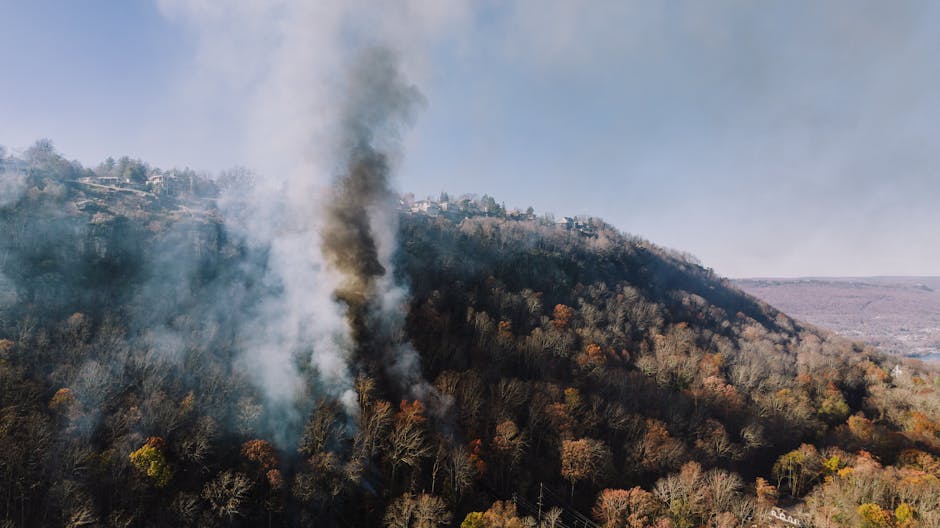
Colorado Springs Utilities has installed a Pano AI station at Stanley Canyon, west of the U.S. Air Force Academy, creating a digital lookout that monitors the landscape around the clock. Using advanced cameras and machine learning, the system scans for smoke in a full 360-degree field of view, protecting pipelines, electrical equipment, and water treatment plants across the Pikes Peak region.
The system shares real-time data with the Colorado Springs Fire Department, the U.S. Forest Service, and several other regional and statewide first-responder agencies, enabling early detection and faster response before fires grow out of control.
The take: A camera that never blinks, never takes a break, and alerts crews the moment smoke appears. This is what early detection looks like when you stop relying on someone happening to see it first.
Drones Beat Ambulances by 40 Seconds in Kansas First Responder Program
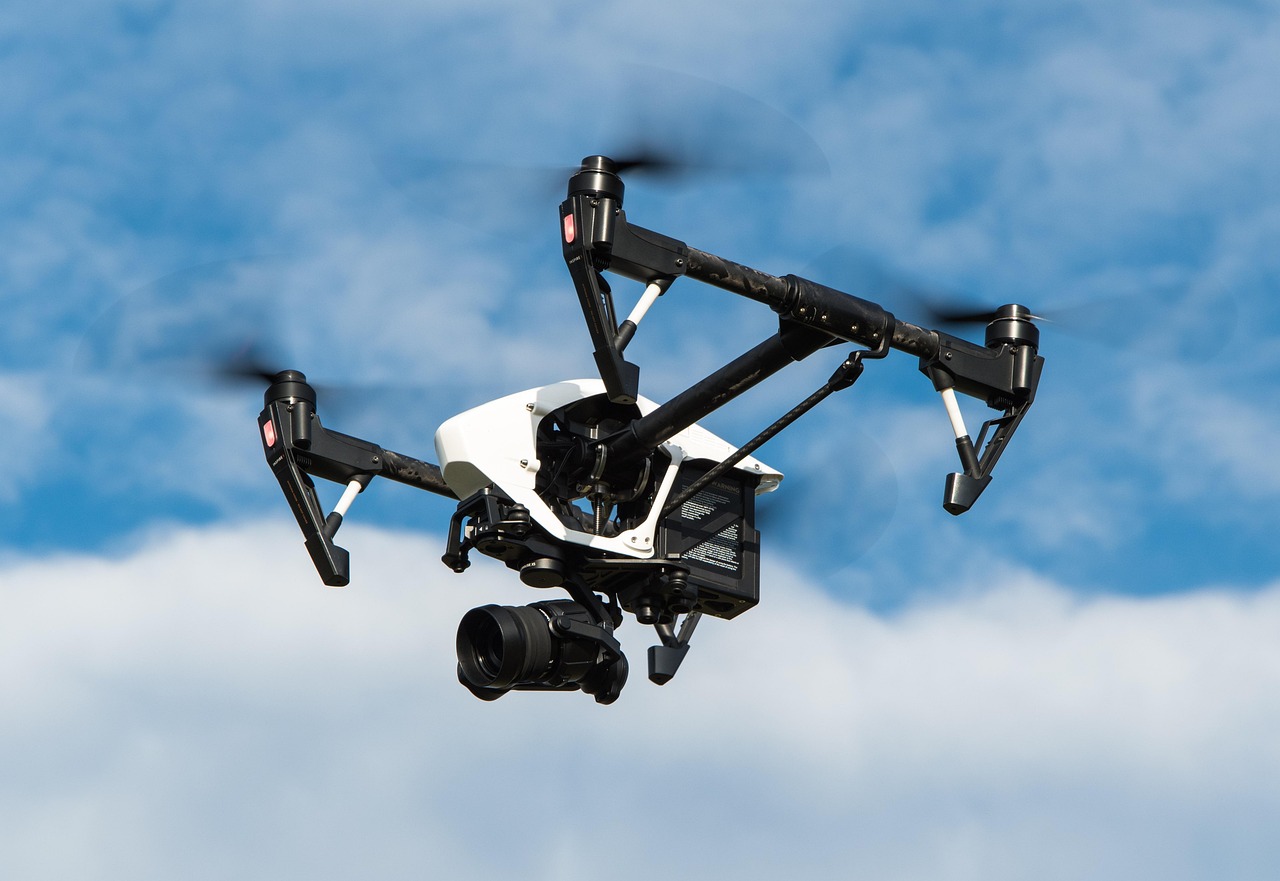
Olathe Police launched a $720,000 Drone as First Responder program, placing four autonomous drones on rooftops across the city. Drones auto-launch to active calls, providing live video to dispatchers before officers arrive. Since launch in March, drones have consistently arrived 40 seconds ahead of first responders. Three drones are stationed on elementary school rooftops, with 35-40 minute flight time per charge.
The take: Forty seconds is the difference between rescue and recovery - every department should be asking why they're not launching drones first.
Stop chasing applicants. Start attracting the right ones.
Your next great firefighter has already scrolled past your recruitment post. Departments using professional video see the difference — applicants who show up already sold on your culture.
We've spent 15+ years on the fireground and made the award-winning docs BURN and BURN X. We don't film departments. We tell the story that makes people want to join yours.
Wisconsin Opens State Grants for Soy-Based PFAS-Free Firefighting Foam
Wisconsin Gov. Tony Evers signed legislation allowing fire departments to use existing DNR grant funds (up to 50% cost share) to purchase soybean-derived fire suppressants. Cross Plains Solutions developed the PFAS-free foam from soybean flour. Ten Wisconsin departments already use it. Foam works on Class A and Class B fires and meets performance needs in cold temps.
The take: Finally, a PFAS alternative that isn't vaporware. If Wisconsin farmers can grow your Class B foam and it actually works, that's the kind of win-win legislation that should spread fast.
New Hampshire Launches First-in-Nation Comprehensive Firefighter Cancer Screening
New Hampshire investing $5 million in two-year pilot offering free cancer screenings to all full-time firefighters (active and retired). Tests include comprehensive blood work, ultrasound imaging of multiple organs, and lung CT scans. Over 1,200 screenings scheduled in first phase. Program will take until end of 2027 to screen all ~4,000 eligible firefighters. Firefighters have 9% higher cancer incidence, 14% higher cancer death rate than general public.
The take: This is the model every state fire service should be copying right now. Blood, ultrasound, and lung CT at no cost beats hoping your annual physical catches something before Stage IV.
Jacksonville Approves $850K for 80 Thermal Cameras After Seven-Year Wait
Jacksonville City Council approved $850,000 for 80 thermal imaging cameras to equip every crew with modern TICs. The department has been gradually updating outdated equipment for seven years; this purchase closes the gap in one move. Chief Golden says TICs are now on the same level as SCBAs and radios for firefighter safety - a third eye in zero-visibility conditions.
The take: If you've been fighting fires for seven years waiting for basic thermal tech, your budget process is the real emergency.
A free campaign toolkit for volunteer fire departments struggling with recruitment. Includes ready-to-use PSAs, digital ads, social media assets, and customizable materials specifically targeting Gen Z and younger millennials. Funded by a FEMA SAFER grant through the International Association of Fire Chiefs.
For departments losing volunteers faster than they can replace them, this toolkit gives you a professional recruitment campaign without the agency price tag. The materials are designed for departments that need to reach younger audiences where they already are — on social media and digital platforms.
FDIC 2026 starts April 22. Indianapolis hosts the largest fire service conference in North America. If your department isn't sending anyone, look for livestreams and post-event session recordings.
Volunteer recruitment programs expanding. Multiple states introducing tax credits and tuition assistance for volunteer firefighters. Worth tracking if your department struggles with staffing.
Wildfire season outlook released. NOAA forecasting above-normal wildfire potential for Southwest through June. Departments in interface zones should review mutual aid agreements now.
Get The Overhaul Brief in your inbox
Fire service tech, AI, and innovation. Delivered every Tuesday morning.